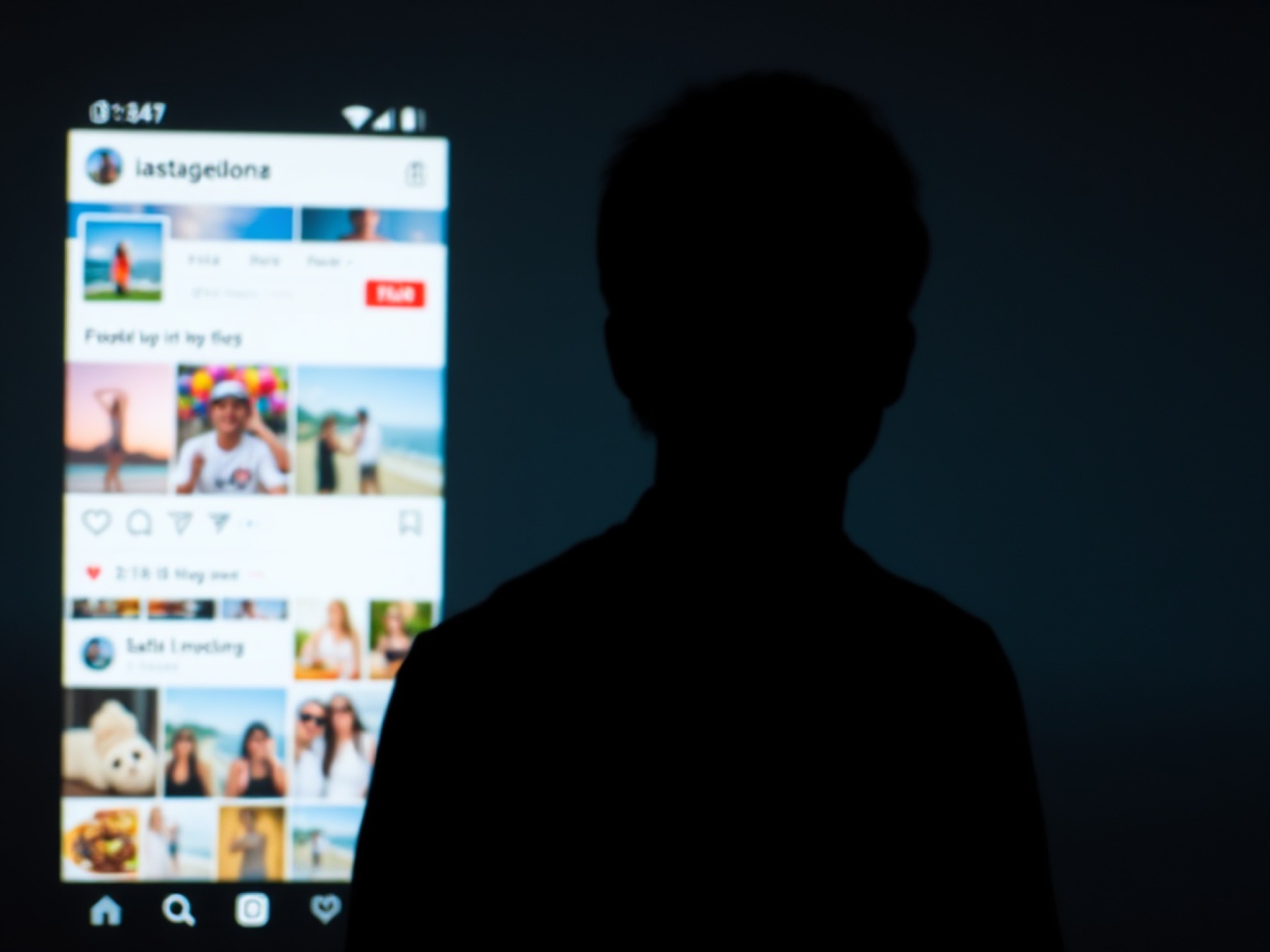
In a world full of fakes, don't be fooled into thinking everything is real.
Social media has become an essential part of how we communicate and share our lives in the modern world. However, along with making things easier, these platforms have left complex marks on our mental well-being. The moment they slip out of our control, they can pull us into a spiral of unhappiness. At the forefront of this is FOMO—the "Fear of Missing Out."
FOMO is a psychological state that makes individuals feel like they are falling behind on the experiences others are having, and it is directly linked to the "fake happiness" created by social media. That false happiness. It’s as if everyone feels the need to show that they have the very best of everything.
The Birth of FOMO
FOMO is directly tied to the "filtered" world of social media. On these platforms, people usually share only the most beautiful, fun, and flashy moments of their lives. Vacations, perfect dinner tables, success stories, and joyful photos with friends... All of this creates a "showcase" of happiness. But this is just a showcase. Unfortunately, it is only a display of a very selective reality.
When we see these "perfect moments" while scrolling, it leads us to question our own lives:
- "Why am I not having this much fun?"
- "Why can't I achieve these successes?"
- "Is my life just ordinary?"
These thoughts fuel feelings of inadequacy and being "less than," which then trigger FOMO.
The Psychological Effects of FOMO
FOMO can have serious impacts on an individual’s mental and emotional health:
- Anxiety and Depression: The constant feeling of missing out makes individuals start to view their own lives as worthless.
- Focus Issues: As the time spent on social media increases, the connection to real life weakens and productivity drops.
- Feeling Inadequate: Seeing others’ constant "success and happiness" posts makes one feel insufficient. This feeling can later lead to inner judgment and withdrawal, eventually triggering antisocial behavior.
FOMO and Social Media "Fakeness"
Social media platforms use algorithms to encourage you to consume more and more content. More photos, more stories, more successes... This cycle causes people to drift away from real life and focus entirely on the lives of others. But in this world of fake happiness, one important truth is forgotten:
- Everything shared has gone through a filter.
- Behind those perfect-looking lives, there are many hidden challenges.
- It is just a showcase. You only show what you want people to see.
Social media creates an illusion of fake happiness, causing individuals to feel like strangers to their own lives.
How to Cope with FOMO?
To overcome FOMO and protect yourself from the effects of social media, you need to adopt a conscious approach:
- Be Aware of Reality: Remember that what you see on social media consists only of everyone’s "best moments." Every life has challenges behind the scenes.
- Focus on Your Own Life: Instead of focusing on what others are doing, prioritize your own happiness and your own goals.
- Do a Digital Detox: You should protect your mental balance by taking regular breaks from social media.
- Live in the Moment: Instead of living with the fear of missing out, realize the value of the moment you are in. This is very important.
- Build Real Connections: Prioritize face-to-face communication instead of spending time on social media.
Making Peace with Social Media: Seeing it as a Tool
When used correctly, social media is a powerful tool that allows people to inspire each other and build connections. However, when it drifts from this purpose and turns into a platform for showing off, it leaves negative effects on mental health.
Coping with FOMO depends on how we use these platforms. You should view social media not as a place to compare yourself to others, but as a tool to find inspiration, learn, and share. This is the way it should be.
Conclusion: From the Illusion of Happiness to Real Life
FOMO has become a common problem in the shiny world of social media. However, we can overcome this illusion once we realize that true happiness is not on social media, but in the moments we live and the real bonds we build. Remember, every moment of your life is valuable, even if it isn't shared on social media.
The way your mind reacts the moment you step away from social media—the feeling that your unshared moments are worthless or ordinary—shows just how serious the situation is. Don't believe the artificiality. Never forget that social media is just a place where people show only what they want you to see!