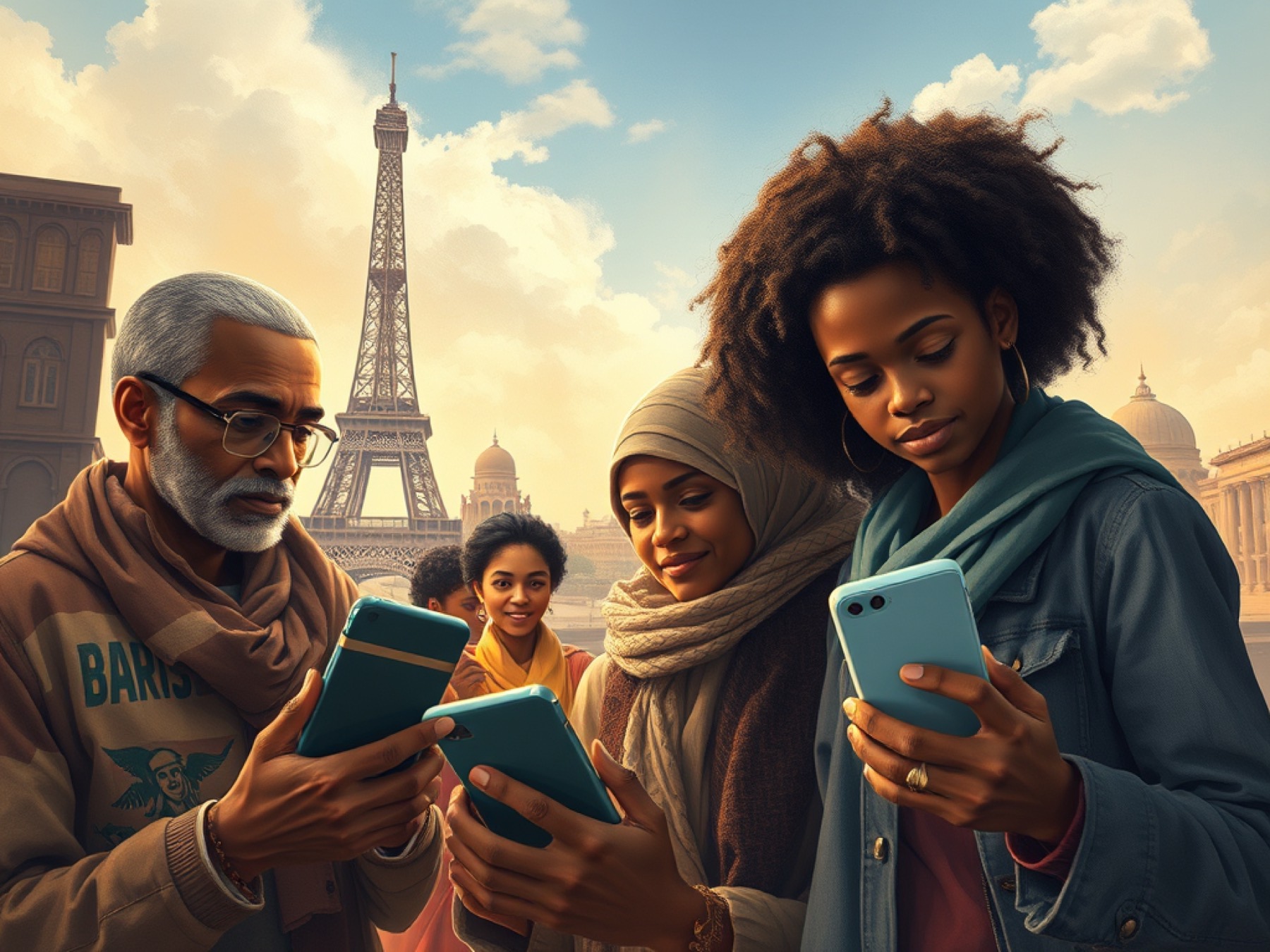
While the concepts of modernization and keeping pace with the era are taking on new forms, the world is struggling, in a sociological sense, to keep up with them. This is because these concepts are not experienced at the same intensity everywhere.
This disparity cannot be explained solely by economic or technological infrastructure. The core issue lies in the bridge that societies attempt to build between their own historical memory, cultural codes, and collective identities and the process of modernization. In some places, that bridge is constructed with solid stone; in others, the foundations have yet to be laid.
The Homogenizing Imposition of Globalization
Globalization is often marketed as technological progress, economic integration, and cultural exchange. In reality, however, this process functions as a form of "standardization" operation—one that suppresses local values, weakens diversity, and even causes some societies to become alienated from their own internal dynamics. At times, the path to being modern is portrayed as if it requires "becoming someone else."
Bringing technology to a village school does not bring modernity; one must also bring hope, inspiration, self-confidence, and cultural respect. Otherwise, what emerges is "copy-paste modernity"—which is neither unique nor sustainable.
Mental Modernization and Identity Conflict
A society can only truly modernize through mental transformation, not just physical infrastructure. Modernization is not a garment worn from the outside; it is a state of consciousness that develops from within. However, this transformation can also lead individuals into identity crises.
An individual deeply attached to their traditions may lose their bearings in the face of the rapid rhythm of the modern world. They may become isolated within a "new world" to which they do not feel they belong. They can neither fully return to the past nor fully grasp the present. This "in-between" space becomes a void that exhausts the individual's spirit.
Does Modernization Mean the Same Thing for Everyone?
Today, modernization carries one meaning in Paris, while it can mean something entirely different in Delhi or Dakar. In one place, individual freedoms come to the fore, while in another, collective responsibilities take precedence. This diversity is, in fact, a great richness for humanity. Yet, this richness is threatened by the presentation of "Western-style modernization" as the only correct model.
However, every society can modernize with its own dynamics, culture, and rhythm. The goal is not "to be the same," but "to remain different while possessing the same rights, opportunities, and dignity."
Social Responsibility on the Threshold of Transformation
We live in an era where modernization is shaped not only by state policies but also by individual efforts. At this juncture, every segment of society has important roles to play:
- Educators must equip the younger generation not only with technical knowledge but also with cultural awareness.
- Communication experts should produce new narratives that build healthy bridges between tradition and the future.
- Administrators must focus on strategies that make local development competitive on a global scale.
- Individuals must seek ways to walk freely toward the future, nourished by the roots of the past.
Conclusion of the Analysis
Modernization is a process of construction, not imitation. It is the courage of a society to write its own story. This courage is the will to take one’s place in the common pot of humanity without belittling one's own values and by viewing the progress of others with inspiration rather than envy.
The waves brought by globalization may be powerful, but we do not have to be swept away by them. By determining our own direction, we can embark on a journey that blends the wisdom of our past with the dynamism of the future.
And perhaps, true modernization is being able to move forward without "forgetting who we are."